02.12.2025: Jakub Tĕšitel (Czech Republic): The effects of parasitic plants on natural communities:
from biological mechanisms to applications in ecological restoration HS 31.11, Institut für Biologie, Bereich Pflanzenwissenschaften, Schubertstraße 51, 17:00 Uhr
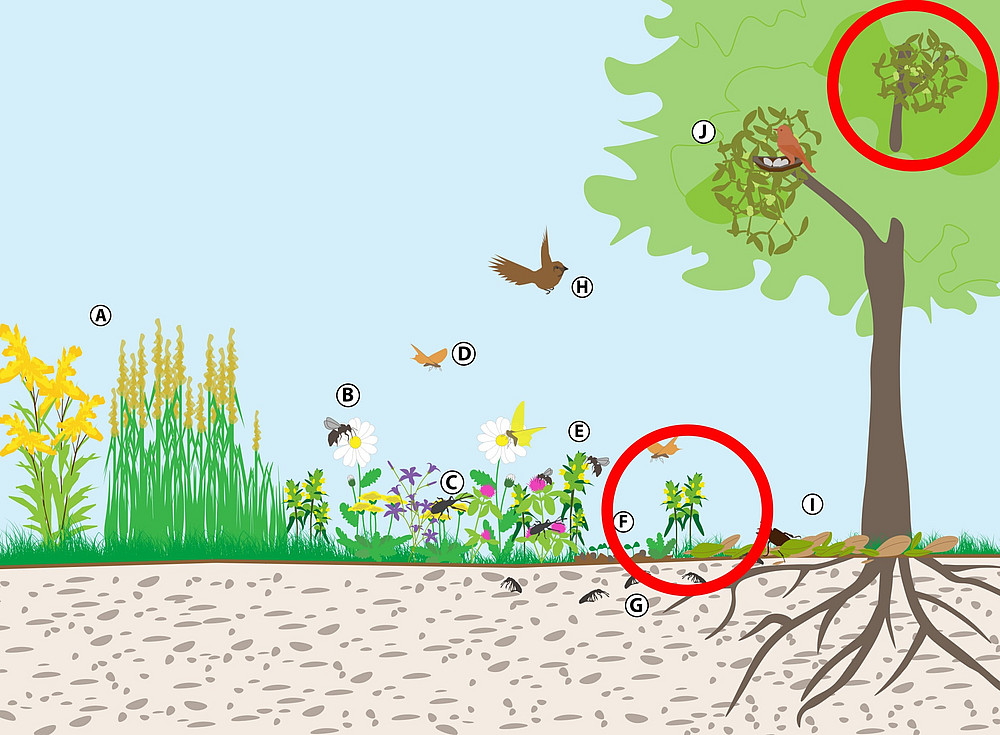
Parasitic plants are often regarded as botanical curiosities, yet several species are recognized as serious agricultural and forestry pests. Beyond this, they are a ubiquitous component of European vegetation with profound ecological roles. By extracting resources from dominant plants, they suppress growth and reduce dominance in communities, sometimes preventing or reversing encroachment by competitive grasses and shrubs. Native parasites can even act as biotic resistance agents against invasions. Their effects extend beyond parasitism. Through litter release and gap creation, parasitic plants accelerate nutrient cycling and facilitate seedling establishment, potentially enhancing plant diversity and influencing herbivores, pollinators, and predators through cascading effects. Although context-dependent, our analyses show parasitic plants are consistently associated with high vegetation diversity across Europe, underscoring their role as biodiversity engineers – or at least indicators.